Following sports used to require scheduling around broadcasts. If fans missed the action, they caught up by watching highlights, checking schedules, and tuning in at set times.
That rhythm feels so archaic now. Today’s sports fans expect to stay up to date long before the first whistle blows and long after the final score is announced. Mobile apps gained popularity because they reflected fans’ real lives, not because they were convenient.
These days, people carry scores, news, videos, and reactions with them throughout the day, adjusting to changing attention spans and free moments. In this blog post, we are going to understand how the device already in every pocket serves as the entry point to sports content, rather than the television or even a browser.
Let’s begin!
Key Takeaways
- Understanding the shift from scheduled viewing to constant access
- Uncovering smartphones as the new sports hub
- Decoding how they changed the fan behaviour
- Exploring their impact on the future
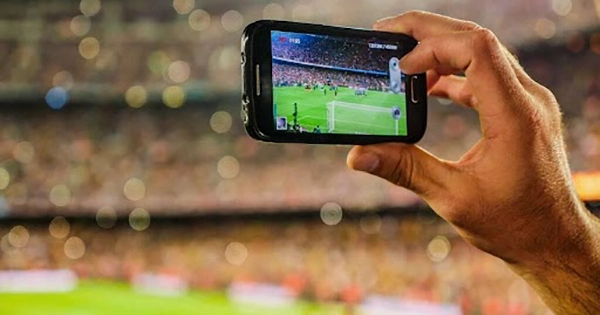
Constant and habitual engagement replaced intentional and sporadic engagement. Fans now spend their days dipping in and out of the sports world, guided by notifications, live updates, and personalized feeds, rather than dedicating time to watch or read.
The attention cycles were shorter but more frequent as a result of this modification. Fans follow multiple games at once, check scores in their free time, and respond in real time without committing to full broadcasts. Instead of being a single, concentrated session, “following” a sport has split into dozens of micro-interactions.
Today, knowing is just as important as observing. Sports content slipped into the same space as messages, social feeds, and notifications – always present, never confined to a single time slot. The experience became continuous, even when the game itself wasn’t live.
This shift also altered expectations around immediacy. Updates are now expected in real time, reactions arrive instantly, and engagement doesn’t pause between fixtures. Fans track form, rumors, and momentum as part of an ongoing narrative, often engaging through mobile platforms where even details like a 1xbet promo code myanmar appear naturally alongside scores, odds, and news. Access isn’t treated as a bonus – it’s assumed.
In moving away from scheduled viewing, sports didn’t lose their sense of occasion. Instead, they gained relevance. Constant access allows fans to stay connected on their own terms, turning sports from isolated events into a daily presence woven into modern digital life.
Interesting Facts
70% of digital sports users also engage with gaming, 67% with technology, and 58% with travel, making them highly desirable for advertisers.
A single gadget has subtly become the center of how sports fans consume the game. The palm now houses what formerly needed a laptop, a television, and numerous websites. Because they provide scores, highlights, analysis, and real-time reactions in one easily accessible location, smartphones have emerged as the primary platform for sports consumption.
There is more to this change than portability. Smartphones are ideal for today’s sports fans because they allow for instant check-ins, real-time alerts, and brief engagements. No matter their location, a fan can be immediately drawn into the action by a goal notification, lineup update, or breaking trade alert.
Apps organize this flow seamlessly, allowing users to move from live scores to commentary or deeper analysis without friction. Platforms like the 1xbet myanmar app fit naturally into this ecosystem, existing alongside news feeds and live updates as part of a unified sports experience.
Smartphones also changed the rhythm of fandom. Watching a full match is no longer the only way to stay informed. Fans track multiple games at once, follow different leagues simultaneously, and stay involved even when they can’t watch live. The device becomes a constant companion, filling the gaps between moments rather than demanding full attention.
As a result, the smartphone is no longer just a screen – it’s the command center of modern sports fandom. It shapes when, how, and how often fans engage, making sports a continuous presence rather than a scheduled appointment.
Mobile apps didn’t just make sports easier to follow – they rewired how fans behave. Intentional and sporadic engagement gave way to regular and habitual. Due to notifications, real-time updates, and customized feeds, fans now intermittently visit the sports world throughout the day rather than dedicating time to viewing or reading.
This modification increased frequency but decreased attention cycles. In their free time, fans follow several games at once, check the scores, and respond in real time without committing to full broadcasts. Instead of a single, concentrated session, “following” a sport has become a disjointed yet ongoing activity that is spread across dozens of micro-interactions. Today, knowing is just as important as observing.
Mobile apps also reshaped emotional engagement. Wins, losses, rumors, and controversies arrive instantly, pulling fans into ongoing conversations that don’t pause between matches. Commentary and reaction have become part of the experience itself, blurring the line between consuming sports and participating in its narrative. Fans don’t just observe – they respond, share, and stay connected.
Over time, this behavior feels natural. Sports fit into daily life the same way messages or social media do – always accessible, always current. Mobile apps didn’t reduce fandom; they intensified it, turning sports from scheduled events into a living stream of moments that fans carry with them wherever they go.
App-first sports consumption signals a future where access matters as much as action. As fans grow accustomed to instant updates, personalized feeds, and continuous engagement, sports platforms will compete less on exclusivity and more on how seamlessly they fit into daily life. The next generation of fans won’t think in terms of broadcasts or schedules – they’ll think in terms of availability.
For leagues, media outlets, and platforms, this means designing experiences that are mobile-native, responsive, and always relevant. Sports will continue to exist as live events, but their influence will stretch far beyond the final whistle. In an app-first world, the future of sports fandom isn’t about watching more – it’s about staying connected, everywhere and all the time.
Ans: It provides a quick view experience on the go, consumes less data, and speeds up
Ans: Revenue diversification is the primary reason for their expansion.
Ans: It has changed the way we communicate and manage our personal/ professional life.