Cricket is a game that somehow becomes an emotion for people who follow it. Good cricket news not only gives you information about the game but also helps you understand why a match turned the way it did, what a captain was thinking when he changed his bowler, and why a small decision in the middle overs mattered more than a spectacular shot at the end.
Earlier, cricket fans used to wait for the newspaper or a short television bulletin to know the match result. But now news arrives in seconds, analysis follows within minutes, and fans can read, watch, and discuss a match while it is still being played.
One of the first things a fan looks for is context. A score on its own tells you very little. A team total of one hundred and eighty may look strong in one match and weak in another, based on the pitch, the weather, the size of the ground, and the strength of the two bowling attacks. Good analysis puts those numbers into context.
It describes whether the pitch was helping spin or pace, whether dew made bowling tough later in the evening, and whether a batting side was cautious because it had lost early wickets or because it was actually building toward a late attack. When you read that kind of description, the next match you watch feels different. You begin noticing the same patterns yourself.
Captaincy is another area where analysis adds actual value. From the outside, a bowling change can look random. Inside the game, it is often a response to something specific: a batter struggling against a specific type of delivery, a partnership growing too comfortable, or a field placement that requires a different angle.
A thoughtful article will walk you through that thinking. It will point out the match-up, the recent form, and the risk included in the decision. Sometimes the decision works, other times it does not, but understanding the reasoning makes the game far more interesting than just judging the captain after the result is known.
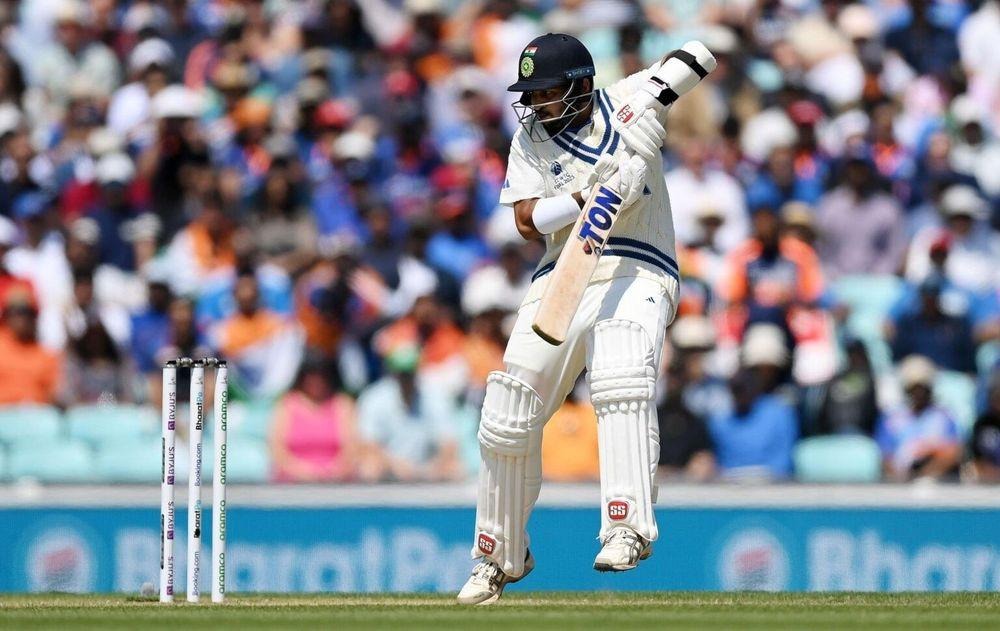
Batting analysis works in the same way. Fans love big shots, and rightly so, but the most instructive parts of an innings are usually quieter. A batter leaving balls outside off stump, rotating the strike when boundaries are difficult to find, or targeting one particular bowler while respecting another are all choices that shape an innings.
When analysis highlights those moments, it teaches fans to watch for them. Over time, you start to appreciate patience as much as power, and you begin to see why a steady fifty on a tough pitch can be worth more than a quick fifty on a flat one.
Bowling needs the same attention. Pace, swing, seam, spin, variation, and control are not just technical words. They are the tools bowlers use to make pressure.
A good piece of analysis will describe why a bowler changed his length, why he bowled wider to one batter and straighter to another, or why a spinner slowed his pace down in the middle overs. It will also explain the idea of building pressure over different overs rather than expecting a wicket with every ball.
That patience is difficult to appreciate from a highlights package alone, but it becomes clear when someone takes the time to explain it.
Fielding, too, is usually overlooked in quick news reports. A direct hit, a diving stop, or a smart piece of positioning can save runs that later prove decisive. Analysis that notices fielding tells a fuller story of a match. It displays that cricket is a team game in every sense, and that the contribution of a fielder who saved ten runs can be just as essential as a batter who scored ten more. Fans who read this kind of coverage begin watching the whole field, not just the batter and the bowler.
Beyond individual matches, cricket news helps fans follow the larger story of the sport. Teams change, players evolve, new talent, new countries emerge, and playing styles evolve. A website that covers these trends over weeks and months offers fans a sense of direction. You can follow a young player from his early appearances to a more established role, see how a team rebuilds after a difficult period, or notice how the balance between bat and ball changes as conditions and formats change. That long view is something a single score update can never offer.
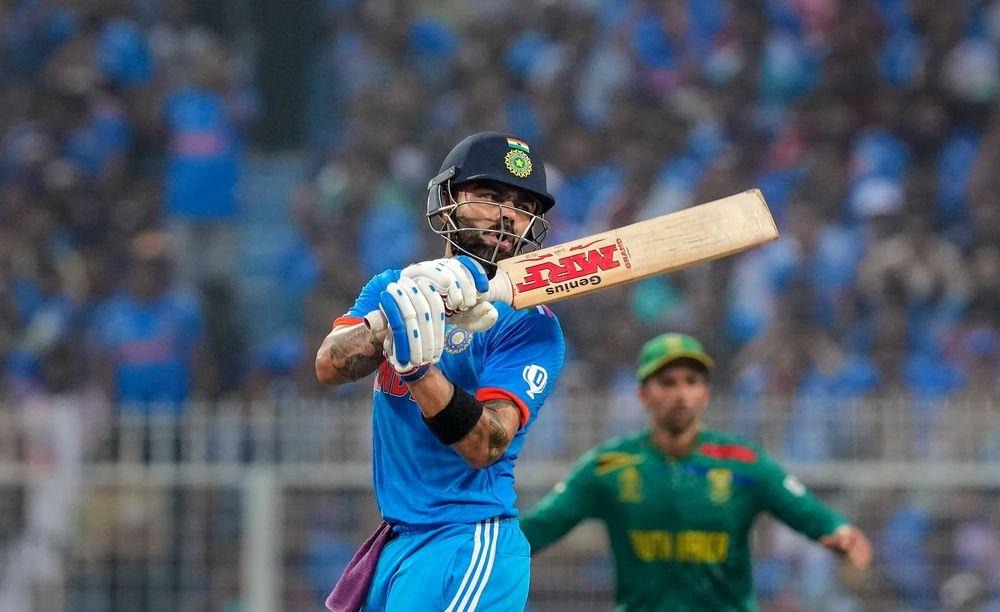
For fans who follow cricket with their interest in search and technology, a site that also covers Google and tech topics feels natural. Many fans know cricket content through search, follow updates on their phones, and use different tools to remain connected.
A platform that understands that modern habits can present cricket news in a way that is simple to find, easy to read on a small screen, and easy to share with friends. If an article is messy, slow, or hard to follow, even good analysis loses its impact. Clear headings, easy language, and a logical flow help readers stay with a story from beginning to finish.
The best cricket coverage also respects the fan’s intelligence. It does not hype every performance, does not declare a player finished after one poor match, and does not turn speculation into fact. It differentiates what is known from what is rumoured, and it is honest when a situation is still developing. That honesty builds trust.
Fans return to sources they trust, mostly in a sport where rumours travel fast, and corrections travel slowly. A careful approach to news, with best context and measured language, is worth far more than a sensational headline that falls apart the next day.
Another important part of cricket analysis is describing formats without confusing readers. Test cricket, one-day cricket, and Twenty20 cricket reward different skills and different strategies.
A decision that makes sense in a five-day match might look odd in a twenty-over match, and vice versa.
Good coverage helps fans understand those differences. It describes why a team might play cautiously in one format and aggressively in another, why certain players suit one format better than others, and why a result in one format does not automatically predict a result in another. That clarity helps new fans as much as experienced ones.
Injuries, selection decisions, and team news also require careful handling. Fans want to know who is available, who is rested, and who might get an opportunity, but they also want to know why.
An article that explains the thinking behind a selection, the role a player is predicted to fill, and the alternatives available gives readers something to communicate intelligently. It moves conversation beyond simple approval or disappointment and toward an actual understanding of team building. That is the kind of discussion that keeps cricket communities lively and respectful.
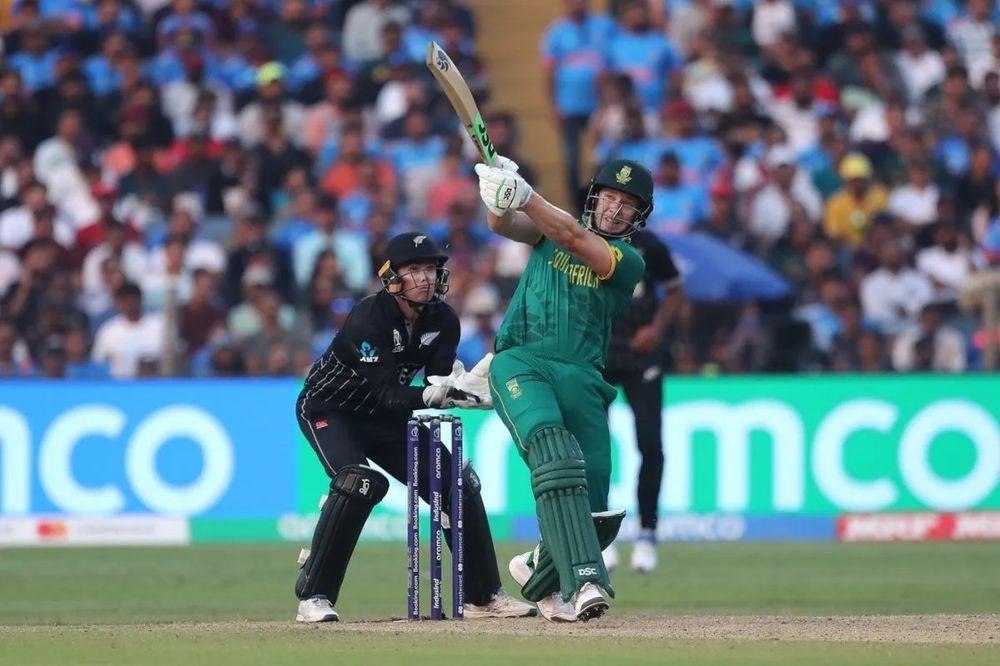
For many fans, cricket is also a social experience. Matches are watched with family and friends, discussed in group chats, and debated long after the final ball. News and analysis feed those conversations.
A well-written article offers you points to share, questions to ask, and details that others might have missed. It helps you describe to a friend why a match changed direction, or why a player you admire played a particular innings the way he did. In that sense, good cricket writing does not just inform one reader. It improves the conversation around the game.
If you are looking for a place that brings cricket, search, and tech together in one straightforward reading experience, you can explore Cricbuzz for updates and analysis. The site is designed for fans who want to stay informed without wading through noise, and it covers the game in a way that is accessible whether you follow every ball or catch up once a day.
For readers who prefer a single destination for cricket news and related tech content, the Cricbuzz website offers a simple beginning point to check the latest stories and explore further at your own pace.
Ultimately, cricket news and analysis work best when they serve the fan, not just the moment. Scores will always matter, but understanding is more important in the long run.
A fan who understands pitch conditions, captaincy choices, batting plans, bowling pressure, and team strategy will enjoy every match more, even the ones his team loses. He will see the game as a contest of ideas and skills too, and he will find something worth watching in every phase of play. That deeper enjoyment is the actual reward of following cricket closely, and it is what good coverage should aim to deliver every single day.

Ans: AI in cricket helps in analyzing players’ performance and umpiring.
Ans: Apps like Fulltrack AI and Matcha are best for cricket analysis.
Ans: Sir Don Bradman and Sachin Tendulkar are considered the best cricketers.